
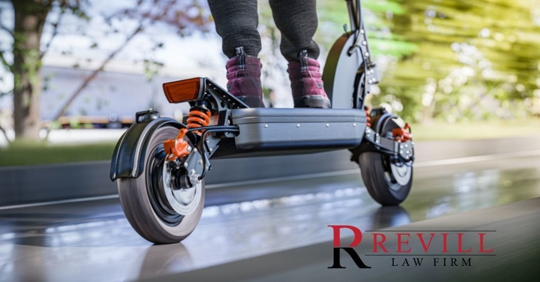
Getting pulled over for DUI can be stressful, confusing, and overwhelming. Even if you’re sure you weren’t “that impaired,” Alabama law has strict rules about operating any vehicle under the influence. The laws apply broadly to traditional cars, scooters, golf carts, and e-bikes, and the consequences can be serious. Knowing how these laws work can make a difference in protecting your rights and your future.
Alabama DUI Laws Overview
In Alabama, DUI isn’t just about alcohol—it covers impairment from drugs and controlled substances too. For alcohol specifically, the legal Blood Alcohol Concentration (BAC) limit is 0.08% for drivers 21 and older. Commercial drivers have a stricter limit of 0.04%, and drivers under 21 face an almost zero-tolerance 0.02% BAC. These limits aren’t arbitrary—they’re tied to public safety and can affect how courts view your case.
Alabama also has a broad definition of “vehicle.” It includes cars, trucks, scooters, golf carts, and e-bikes, as long as they aren’t rail-operated. So even if you’re riding what feels like a small or recreational vehicle, DUI laws can still apply. Understanding this can help you avoid surprises if you’re ever charged.
Legal Definition of a Vehicle
When Alabama law talks about a vehicle, it’s not just about traditional automobiles. If used on public roads, scooters, golf carts, and e-bikes are included. That means rules like BAC limits and DUI enforcement apply to these modes of transport, too. That can be eye-opening for riders—especially if you thought your scooter ride around town was harmless.
Recognizing that non-traditional vehicles are subject to DUI laws can prevent unintentional violations and help you make safer choices while on the road.
Case Precedents Involving Non-Traditional Vehicles
Existing Case Law
Even though court cases involving scooters, golf carts, and e-bikes aren’t as common as car DUIs, existing rulings show that Alabama takes these charges seriously. Courts often treat non-traditional vehicles the same as cars in terms of DUI enforcement. This means penalties and legal consequences can be similar, reinforcing the importance of knowing the law no matter what you’re driving.
Trends and Expectations
With the rise of e-bikes and scooters, Alabama courts will likely continue applying DUI laws consistently across all vehicles. Judges and prosecutors can rely on established definitions to enforce the law even if a case seems minor. Being aware of this helps you approach any charge strategically.
DUI Enforcement on Scooters
Scooter Laws in Alabama
Scooters are becoming a popular way to get around cities, but Alabama law treats them like any other vehicle. This means BAC limits apply, and impaired operating can lead to fines, license consequences, or worse. Both motor and electric scooters fall under these rules, so staying sober while riding is not optional.
Police Protocols
Enforcing DUI laws for scooters presents challenges for officers due to their small size and maneuverability. Breathalyzer and field sobriety tests still apply, but law enforcement may need to adjust tactics depending on the situation. Despite these hurdles, officers are committed to ensuring safety across all types of vehicles on Alabama roads.
Golf Carts and DUI Regulations
Legal Use of Golf Carts
Golf carts are more than just recreational vehicles—they can be legally driven on certain public roads and in communities. Once they enter those areas, DUI rules apply. Driving under the influence in a golf cart can result in penalties just like driving a car while impaired.
Enforcement Challenges
Enforcing DUI laws for golf carts can be tricky due to their limited speed and perception as “less dangerous.” Officers must consider jurisdictional boundaries and community rules when monitoring compliance. Even so, DUI charges are possible, and legal consequences remain significant.
E-Bikes and Their Legal Standing
E-Bike Classification
E-bikes are categorized based on their pedal assistance and speed. Class 1 and 2 e-bikes offer assistance up to 20 mph, while Class 3 can reach 28 mph. All fall under Alabama DUI regulations, meaning riders are accountable for staying sober and following BAC limits.
Enforcement for E-Bikes
Officers treat e-bikes as vehicles under DUI law, applying breathalyzer and sobriety tests where applicable. Whether you’re on a bike lane, sidewalk, or road, Alabama law requires operators to comply with DUI rules to ensure everyone’s safety.
Navigating Penalties and Legal Consequences
Penalties for Non-Traditional Vehicle DUIs
DUI penalties for scooters, golf carts, and e-bikes include fines, community service, mandatory education programs, and license suspension. Even if you aren’t driving a car, consequences can affect your driving ability and insurance rates.
Legal Strategies and Advice
Suppose you’re facing a DUI charge for a non-traditional vehicle. In that case, a lawyer can review the circumstances, challenge procedural errors, or explore other defenses that might reduce penalties. Getting advice early can make a big difference in outcomes.
Insurance Implications
A DUI conviction can increase insurance premiums or limit coverage, even for non-traditional vehicles. Addressing these issues proactively can avoid long-term financial impacts.
DUI Attorneys
DUI laws in Alabama apply to more than just cars. Scooters, golf carts, and e-bikes are all covered by the same legal rules, and violations can carry serious consequences. Understanding your rights and responsibilities is essential to protecting your future.
If you or a loved one faces a DUI charge in Birmingham, Alabama, contact Revill Law Firm at (205) 928-6544. Our team is dedicated to providing guidance and defense strategies tailored to your situation, helping you navigate the legal system and safeguard your future.